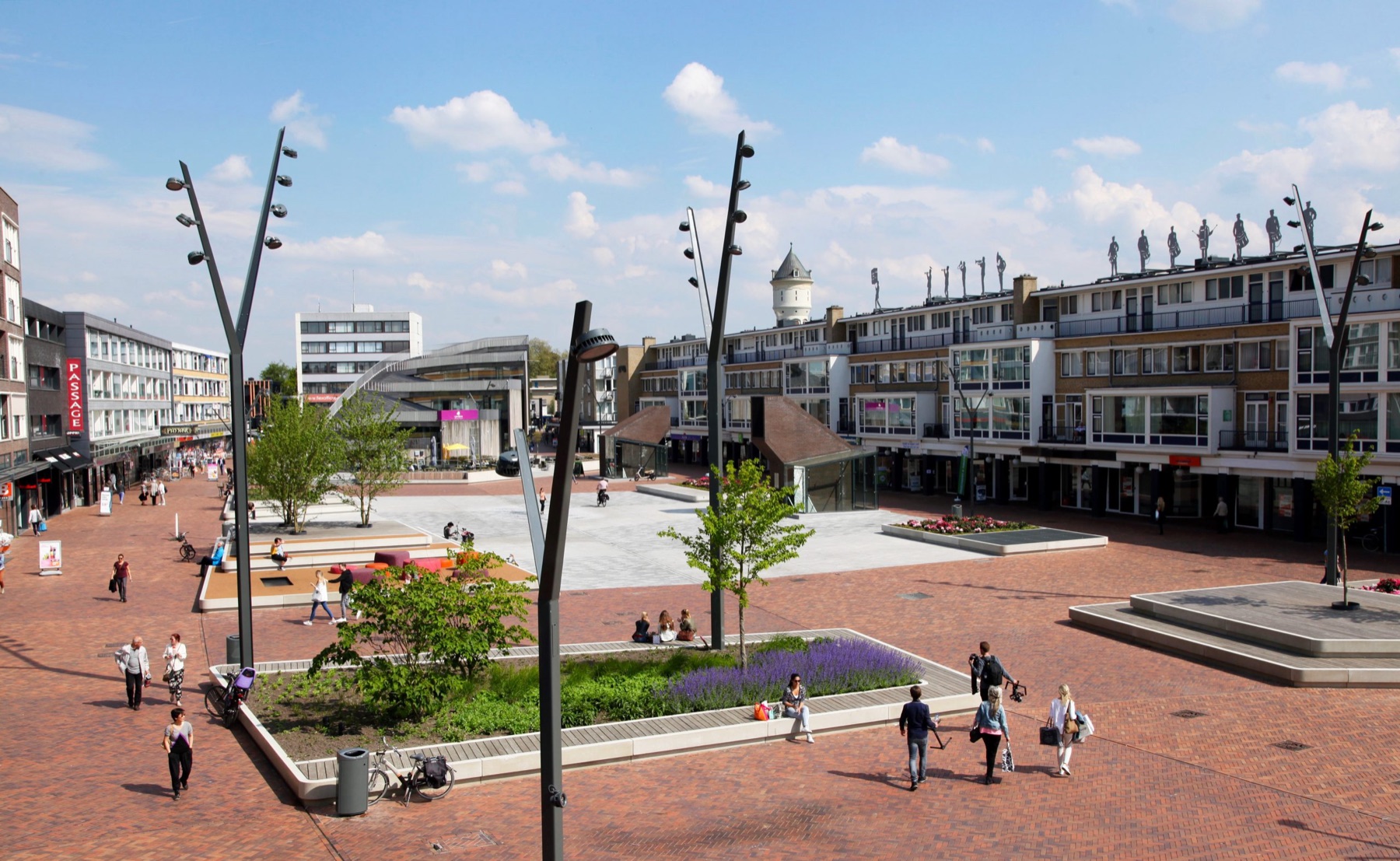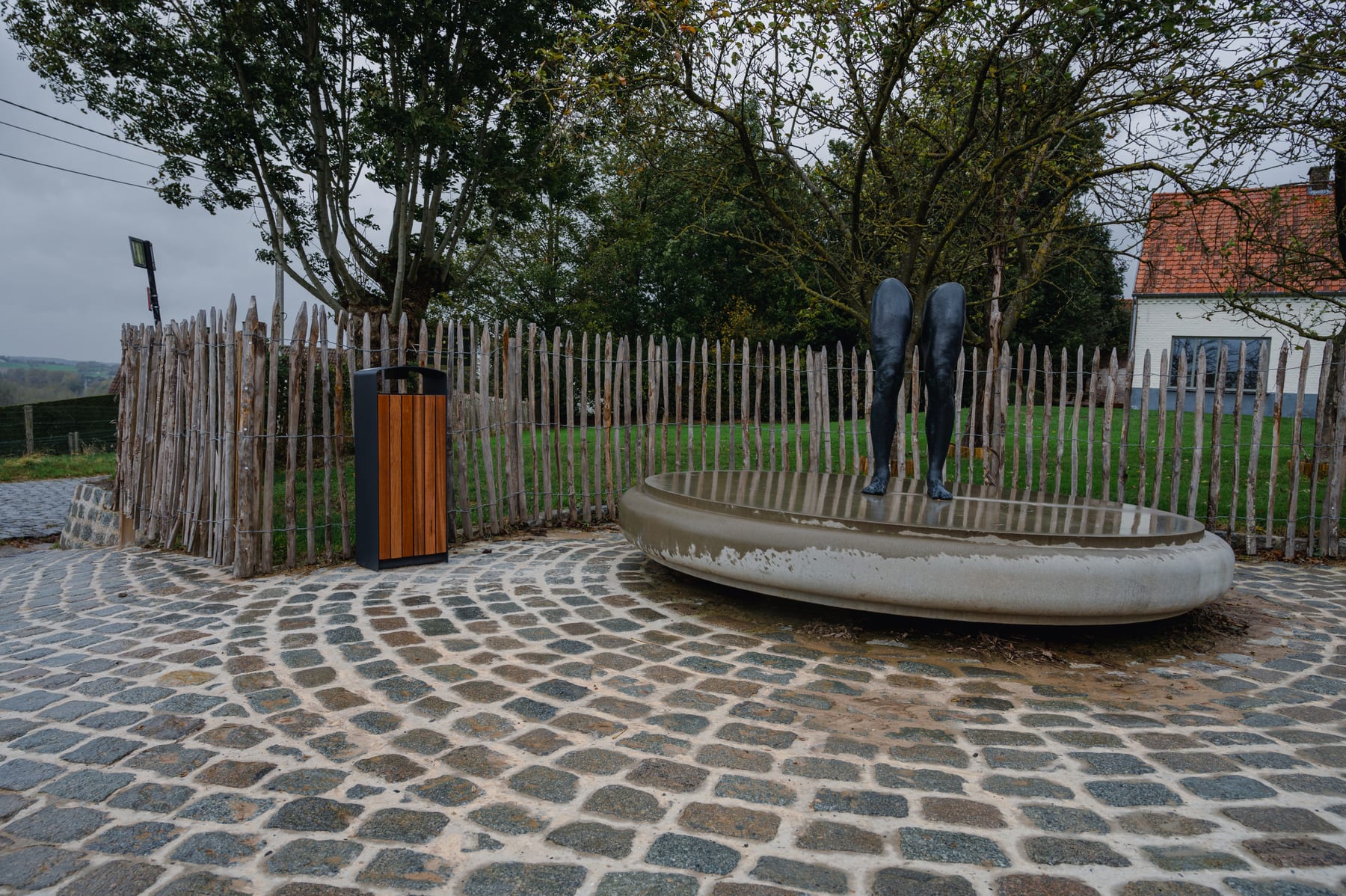
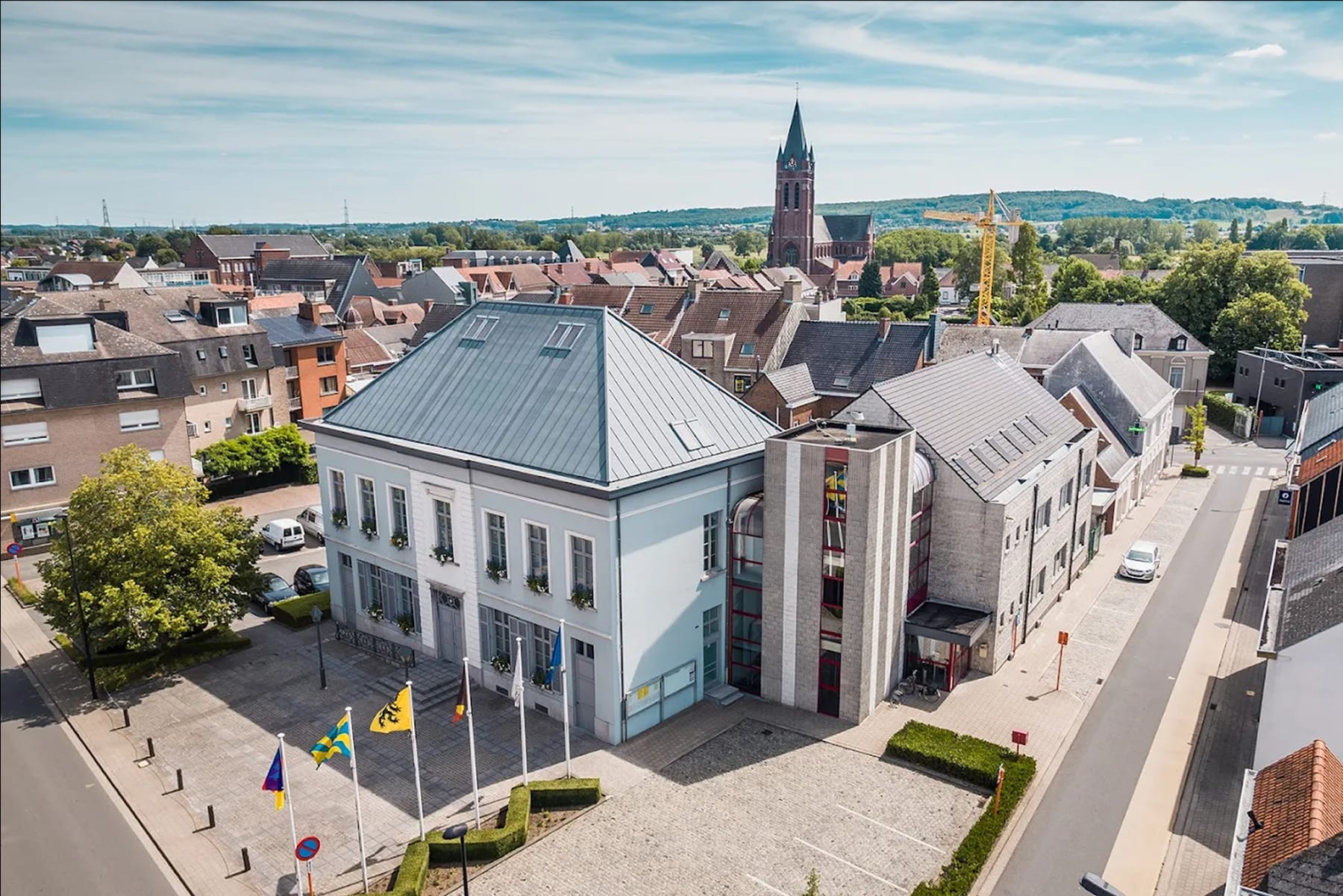






Avelgem lies in the south of West Flanders, along the Scheldt. The municipality also includes the villages of Bossuit, Kerkhove, Outrijve and Waarmaarde. Its public litter bins are therefore spread across several centres and are not used equally intensively everywhere. Yet the technical service drove the same fixed rounds three times a week, past every bin.
The challenge
Before Rebin, the staff drove three fixed collection rounds, on Monday, Wednesday and Friday. Those rounds were based on estimates rather than the actual fill level. Every week they were on the road for 20 hours and drove 88 kilometres for 248 emptyings, as some bins were emptied twice a week. Nearly empty bins were collected unnecessarily, while others overflowed. That cost a lot of working hours, fuel and plastic bin bags.
“We used to drive the same rounds three times a week, including past bins that were barely half full. Now we see at a glance which bins really need emptying. That saves us hours of work every week, and we can now spend that time on other tasks.”
The approach
Rebin placed fill-level sensors in all the existing public litter bins in the municipality. The sensors continuously measure the fill level and send that data in real time to the Rebin platform.
The staff now see straight away which bins are full and need emptying. Only bins that are at least 60% full are still collected. Half-full bins are skipped, so instead of driving fixed rounds they only go where it is needed.
Results
After one year, only 69 full bins are collected each week instead of 248 emptyings, or 72% fewer. That also means 72% fewer plastic bin bags. Collection time went from 20 hours to 7 hours and 45 minutes a week, which is 61% fewer working hours. The distance dropped from 88 to 54 kilometres, good for 39% lower fuel costs. All in all, Avelgem saves €19,298.80 net a year. Over a full six-year term of office, that adds up to €115,792.80, budget the municipality can use elsewhere.