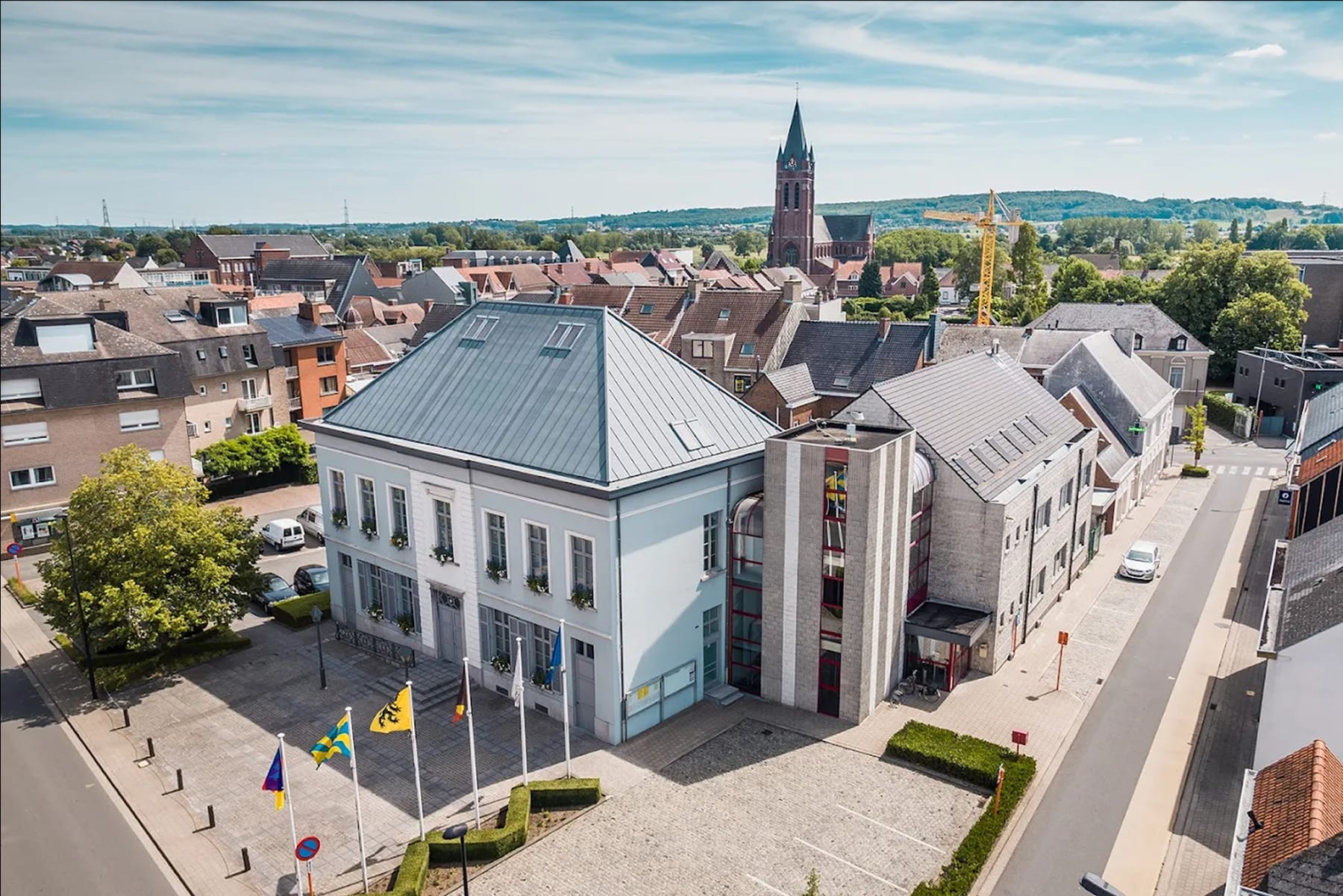





Maarkedal is a rural municipality in the heart of the Flemish Ardennes. In summer, walkers and cyclists flock to the hills; in winter it is a lot quieter. Because of those seasonal swings and the big differences between locations, the 74 public litter bins in the municipality fill up very unevenly.
The challenge
The technical service emptied all the bins every week on a fixed round. Because nobody knew which bins were full, the team had to collect them all. That cost a lot of working hours, while the service was already short-staffed. At the same time, bins overflowed at busy moments, resulting in litter and complaints from residents. There was simply no data to act in a targeted way.
“Every week we have to empty all the bins in the municipality. Because we do not know in advance which bins need attention, we have to check them all during our rounds. That costs an unnecessary amount of working hours, while we are already short of people.”
The approach
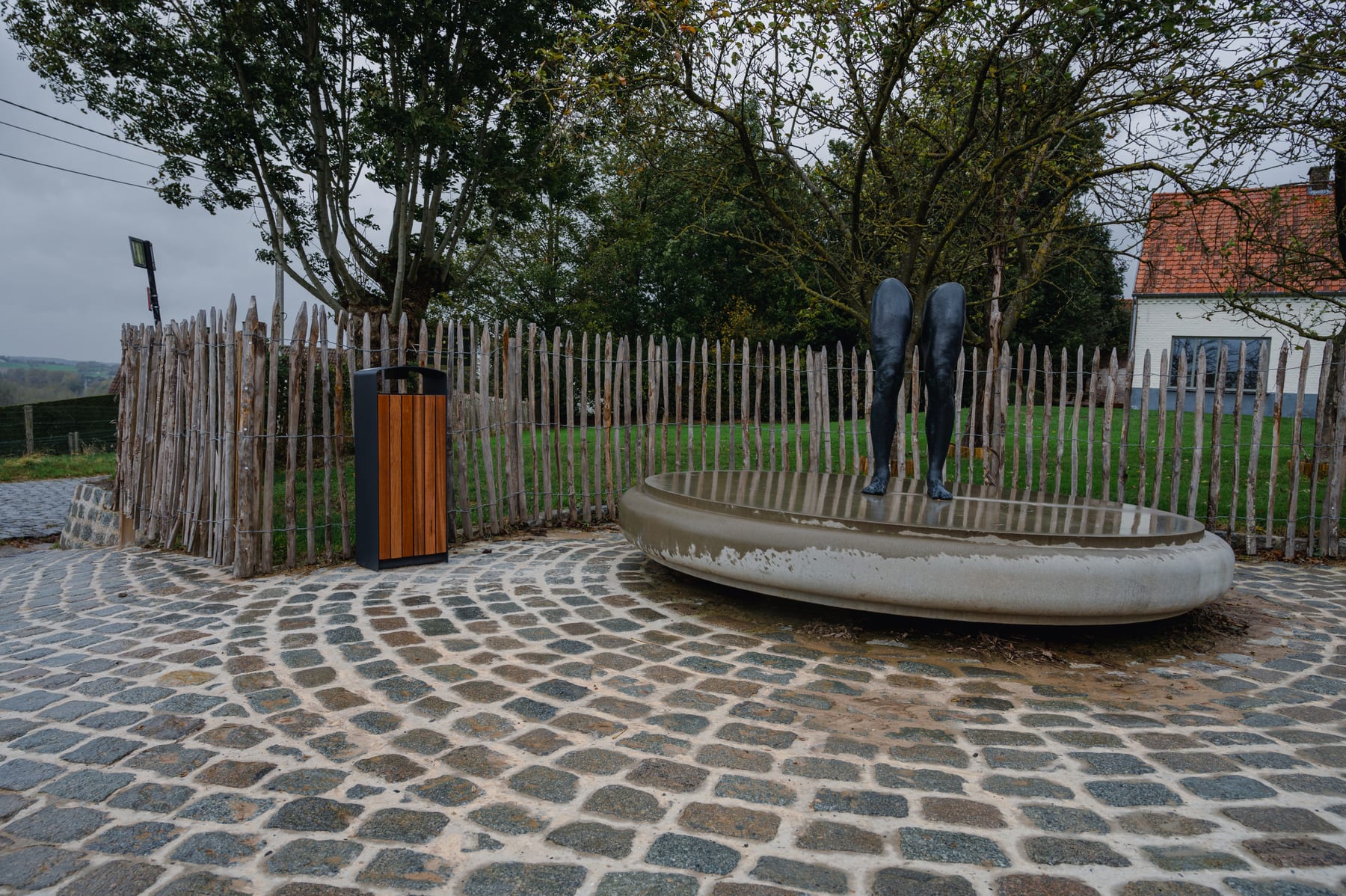
Mayor Joris Nachtergaele knew the problem and turned to Rebin. Rebin placed a fill-level sensor in every public bin. The sensors go into the existing bins, so nothing needs to be replaced. They continuously measure the fill level and send that data to the Rebin platform.
With that real-time data, the technical service sees in a single dashboard which bins need emptying. Only bins that are at least 60% full are still collected, via an optimised route instead of a fixed round.
Results
After a few months the results were already clear. Each week, an average of just 24 instead of 74 bins are emptied. A collection round went from 75 to 35 kilometres and from 6 to 2.5 hours. That is a 58% time saving and 64% lower collection costs. Because bins are now emptied on time, complaints about overflowing bins have become rare. Mayor Nachtergaele sums it up: “A smart system, with plenty of advantages and potential.”